
Best Countertop Materials for Busy Families
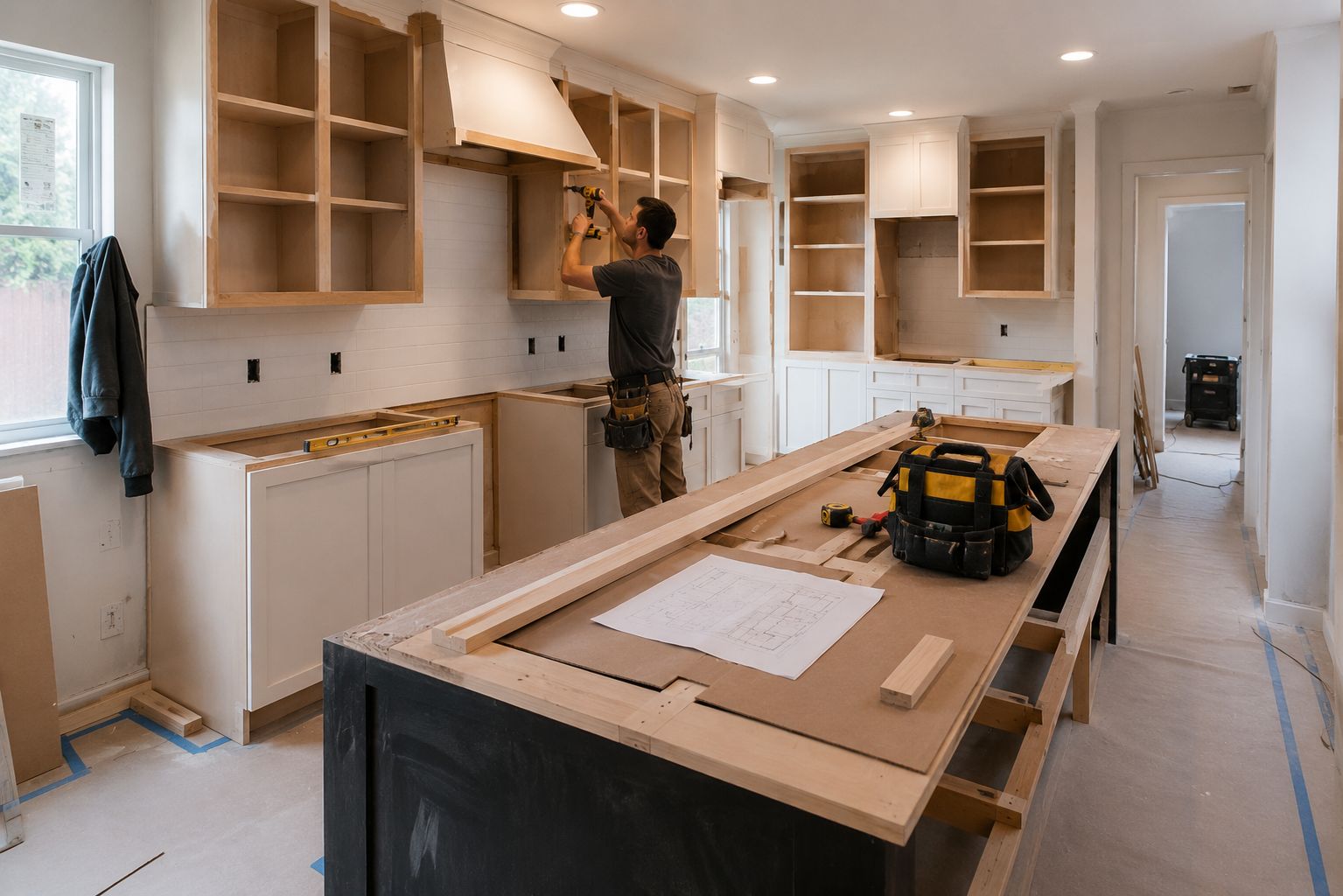
There are kitchens that get used lightly — coffee in the morning, takeout at night, surfaces wiped once a week. And then there are family kitchens.
A family kitchen is homework on the island and juice spilled within the hour. It's raw meat defrosting on the counter while someone else is rolling dough on the other side. It's a dog who learned that counters are within reach, and three different people who think "wipe that up" means something different.
In that environment, the wrong countertop material doesn't just disappoint — it fails visibly, requires constant attention, or both. The right one becomes invisible: it's just always clean, always intact, and never the reason a Tuesday evening becomes a problem.
This guide cuts through the material comparisons to tell you what actually works in busy family kitchens — specifically in Utah, where hard water, variable humidity, and the specific way Wasatch Front families actually use their kitchens all matter.
Why Countertop Material Matters More in a Family Kitchen
In a household of one or two adults with restrained cooking habits, almost any material can survive. Marble can last decades if you're careful. Laminate holds up fine if it never gets wet. Tile stays presentable if the grout is sealed twice a year.
In a family kitchen, those conditions don't hold. The material you choose needs to perform consistently — without demanding behavior changes from your household.
The four properties that matter most in a family kitchen:
- Scratch resistance. Knives, keys, school supplies, and the occasional forgotten fork left on the counter. A surface that scratches easily shows every one of them.
- Stain resistance. Berry smoothies, soy sauce, tomato paste, coffee, red wine, and everything a child finds in the refrigerator at 9pm. A porous surface absorbs staining agents before you can wipe them away.
- Heat resistance. A pot moved from the stove before anyone grabbed a trivet. A pizza box that sat too long. Surfaces that can't handle brief heat exposure will show the consequences.
- Low maintenance. In a household with multiple people using the kitchen, no material will be treated perfectly. The right choice is one that doesn't require perfect treatment to stay looking good.
The Short List: Materials Worth Considering
Five materials consistently hold up in family kitchens and are widely available in Utah's market:
- Quartz — engineered stone, non-porous, no sealing required
- Granite — natural stone, highly durable, requires periodic sealing
- Quartzite — natural metamorphic stone, harder than granite, requires sealing
- Marble — natural stone, requires the right household to work long-term
- Porcelain slab — engineered, extremely hard, growing Utah market share
Each has a legitimate place in family kitchens. The question is which one fits your household's actual behavior, not your ideal behavior.
Quartz — The Family-First Choice
Quartz is the dominant countertop material in family kitchen renovations across Utah — and the reasons align directly with what busy households need.
What it is: Engineered stone composed of 90–95% crushed quartz bound with polymer resin. Not natural stone — a manufactured product designed for consistent performance.
Why families choose it:
- Non-porous by construction. Quartz has no pores for staining agents to penetrate. Berry smoothie, soy sauce, red wine — wipe it within a reasonable time frame (not days, but not seconds) and it cleans completely. This is the single most important property for families with young children.
- No sealing, ever. Natural stone surfaces require periodic resealing to maintain stain resistance. Quartz requires none. In a household where "reseal the countertops" will never make it to the Saturday task list, this is a practical advantage that compounds over years.
- Consistent hardness. Quartz is harder than most natural stone options and resists scratching from typical kitchen contact. It won't survive a deliberate attempt with a knife (nothing will), but normal kitchen use leaves it unmarked.
- Utah's hard water. Quartz's non-porous surface resists the mineral etching and buildup that affects polished natural stone. This is specifically relevant across the Wasatch Front, where water hardness accelerates the degradation of surfaces that absorb moisture.
Where quartz falls short:
Quartz is not heat-proof — it's heat-resistant. A pot moved directly from a gas burner onto quartz can cause thermal shock that permanently discolors the resin binder. In practical terms: use a trivet, and this is never a problem. In a household where trivets are used inconsistently, it's worth knowing.
Quartz also cannot be repaired as easily as granite if a section is significantly damaged — it requires replacement of the affected section rather than spot polishing.
Best for: Families who want maximum stain resistance with zero ongoing maintenance. The practical choice for most Utah households.
Explore quartz countertop options →
Granite — Natural, Durable, and Forgiving
Granite has been the benchmark of kitchen quality for a generation — and it earned that position through performance, not just appearance.
What it is: Natural igneous rock, quarried and fabricated. Every slab is unique. Mineral composition varies by origin, producing the color and pattern variation that makes granite visually distinctive.
Why families choose it:
- Genuine heat resistance. Granite handles heat that would stress quartz. Hot pans can be set on granite without concern about thermal shock — the material's crystalline structure tolerates heat that would damage resin-bound engineered stone. In households where cooking is frequent and enthusiastic, this is a meaningful practical advantage.
- Scratch resistance. Granite's hardness is comparable to quartz. Normal kitchen use — including the unexpected contact that happens in busy households — leaves granite unmarked.
- Character that hides minor wear. Granite's natural variation means that minor scratches or dull spots blend into the pattern in a way that engineered stone's uniformity doesn't allow. A granite surface that has seen five years of family use often looks better than the same five-year-old quartz under close inspection.
Where granite requires attention:
Granite is porous and must be sealed at installation, then resealed every 1–3 years depending on use and sealant quality. An unsealed or under-sealed granite surface will absorb staining agents — cooking oils, red wine, acidic juices — and show the result permanently.
For families committed to a simple annual sealing routine, granite's maintenance is minimal. For families who won't do that reliably, the performance gap versus quartz is real.
Best for: Families who cook frequently, value natural material aesthetics, and will maintain a simple annual sealing schedule.
Quartzite — Premium Performance for Active Kitchens
Quartzite is natural metamorphic stone — sandstone recrystallized under heat and pressure into one of the hardest natural materials available for kitchen surfaces. It's frequently confused with quartz (engineered) and marble (softer stone), but it's neither.
What it is: Natural stone, quarried like granite. Harder than granite, often marble-like in appearance (white to gray with subtle veining), but without marble's performance limitations.
Why families in higher-value Utah homes choose it:
Quartzite is harder than granite — more resistant to scratching and surface wear from daily kitchen use. It handles heat well. Its appearance delivers the marble aesthetic that many homeowners want without the maintenance demands that marble requires in a family kitchen.
For Utah homes in Draper, South Jordan, and Holladay where design standards are high and the investment in a full kitchen remodel is already significant, quartzite justifies its premium over granite or quartz when the rest of the kitchen reflects that investment.
Where quartzite requires attention:
Like granite, quartzite is porous and requires sealing. It is not as forgiving as quartz if sealing is neglected. Quartzite also varies significantly in quality by quarry origin — some quartzite is extremely hard and dense; other varieties are softer and more susceptible to etching from acidic contact. Material sourcing and installation expertise matter.
Best for: Families in higher-value homes seeking premium aesthetics with genuine durability, willing to maintain a sealing schedule.
Marble — Beautiful with Trade-Offs
Marble is the most visually compelling countertop material available — and the most demanding in a family kitchen. Understanding this distinction before purchasing is more useful than discovering it after.
What it is: Natural metamorphic limestone. Softer than granite or quartzite. Porous. Etches readily from acid contact (lemon juice, vinegar, tomato, wine, carbonated beverages).
The family kitchen reality:
Polished marble in a household with children will show acid etching within months. The dull spots that develop where acidic foods and beverages contact the surface are chemical marks that cannot be wiped away — they require professional polishing to remove.
This isn't a reason to avoid marble. It's a reason to understand what you're choosing and whether it fits your household's actual behavior — not the household you plan to be.
When marble works in family kitchens:
- Honed (matte) finish over polished. Honed marble is significantly more forgiving — etching is less visible on a matte surface, and the surface reads as deliberately aged rather than damaged. Most marble in family kitchens that survives happily is honed.
- Island use only. Using marble on a kitchen island and quartz or granite on perimeter countertops captures the aesthetic with limited daily exposure.
- The right household. Some families genuinely maintain marble beautifully. If your household is thoughtful about acidic contact and committed to sealing, marble is a viable choice.
Best for: Design-oriented families who understand the trade-offs and have a household discipline that marble rewards — or who choose it selectively (island only, honed finish).
Porcelain Slab — The Practical Alternative
Porcelain slab countertops — large format engineered tile produced as a continuous surface rather than small tiles — are growing in Utah's market, and for family kitchens they deserve consideration.
Why it performs in family kitchens:
Porcelain is non-porous (like quartz), requires no sealing, and is among the hardest countertop materials available. Its scratch resistance exceeds quartz in standardized testing. It is genuinely UV-stable, making it the best choice for kitchens with significant direct sunlight. It handles heat without concern.
Where it differs from quartz:
The primary limitation is edge chip risk — porcelain slab, while extremely hard, is more brittle than quartz and can chip at edges if struck with sufficient force. Standard bullnose or eased edge profiles handle normal contact; sharp-edge waterfall designs increase chip risk. For households with young children who run past countertops, this is worth considering in edge profile selection.
Best for: Families who want non-porous performance with maximum scratch and UV resistance, particularly in sun-exposed kitchens.
Materials to Reconsider for Busy Households
Laminate: Modern laminate has improved significantly and performs acceptably in light-use kitchens. In a family kitchen with heavy daily use, laminate shows wear within a few years — edges delaminate from moisture, surfaces scratch visibly, and heat contact leaves permanent marks. It is not a durable long-term solution for busy households.
Tile (ceramic or porcelain mosaic): The problem is not the tile — it's the grout. Grout lines in a family kitchen absorb stains, harbor bacteria, and require ongoing maintenance to stay presentable. Tile countertops also create uneven surfaces that make rolling dough and stable object placement more difficult. In Utah homes where kitchen remodeling is an investment, tile countertops are a noted deficiency that buyers price accordingly.
Butcher block: Genuinely warm, beautiful, and appropriate in specific contexts (a baker's prep section, a bar surface). In a family kitchen with wet and varied use, butcher block requires oiling every 1–2 months to prevent cracking and bacterial infiltration. For most busy families, this maintenance commitment is unrealistic.
Full Comparison Table
The right material for your family kitchen depends on how you actually cook — not how you plan to cook.
| Material | Scratch Resistance | Stain Resistance | Heat Resistance | Maintenance | Family Score |
|---|---|---|---|---|---|
| Quartz | ⭐⭐⭐⭐ | ⭐⭐⭐⭐⭐ | ⭐⭐⭐ (no direct heat) | ⭐⭐⭐⭐⭐ None | ✅✅✅ Best overall |
| Granite | ⭐⭐⭐⭐ | ⭐⭐⭐⭐ (sealed) | ⭐⭐⭐⭐⭐ Excellent | ⭐⭐⭐ Annual seal | ✅✅ Excellent |
| Quartzite | ⭐⭐⭐⭐⭐ | ⭐⭐⭐⭐ (sealed) | ⭐⭐⭐⭐⭐ Excellent | ⭐⭐⭐ Annual seal | ✅✅ Excellent |
| Porcelain Slab | ⭐⭐⭐⭐⭐ | ⭐⭐⭐⭐⭐ | ⭐⭐⭐⭐⭐ Excellent | ⭐⭐⭐⭐⭐ None | ✅✅ Excellent |
| Marble (honed) | ⭐⭐⭐ | ⭐⭐⭐ (careful use) | ⭐⭐⭐⭐ | ⭐⭐ Seal + care | ✅ Conditional |
| Laminate | ⭐⭐ | ⭐⭐⭐ | ⭐ No heat | ⭐⭐⭐⭐ Easy | ❌ Not recommended |
| Tile (mosaic) | ⭐⭐⭐⭐ | ⭐ (grout issues) | ⭐⭐⭐⭐ | ⭐ Grout-intensive | ❌ Not recommended |
| Butcher Block | ⭐⭐ | ⭐⭐ | ⭐⭐⭐ | ⭐ Monthly oiling | ❌ Niche use only |
What Utah Families Specifically Need to Know
Hard water is a material variable. Utah's municipal water supply is notably hard — high in calcium and magnesium minerals. On polished natural stone surfaces (granite, marble, quartzite), mineral deposits accumulate on the surface and, over time, etch the finish in ways that require professional polishing to correct. Quartz and porcelain slab are unaffected by mineral contact. If your household uses the kitchen sink heavily and doesn't wipe water pooling consistently, this distinction matters.
Utah's dry climate and wood materials. Butcher block and wood accents in kitchens with Utah's dry winters can crack along grain lines if not oiled consistently. This is less about family use and more about environment — but it's a practical reason why wood countertop surfaces are riskier in Utah than in more humid climates.
Resale in Utah's family markets. In Sandy, West Jordan, Herriman, Riverton, and Lehi — Utah's primary family housing markets — quartz is the buyer expectation in homes priced above $375,000. Granite performs well. Quartzite and premium materials add value in homes priced above $550,000 where buyer sophistication is higher. For families who may sell within 5–10 years, material selection should factor in the submarket they're selling into.
How Much Do These Materials Cost in Utah?
| Material | Material Cost | Installed (per sq ft) | Average Kitchen (40 sq ft) |
|---|---|---|---|
| Quartz | $40–$100 | $55–$140 | $2,200–$5,600 |
| Granite | $35–$80 | $45–$110 | $1,800–$4,400 |
| Quartzite | $55–$150 | $75–$200 | $3,000–$8,000 |
| Marble | $50–$120 | $65–$180 | $2,600–$7,200 |
| Porcelain Slab | $45–$110 | $60–$130 | $2,400–$5,200 |
| Laminate | $10–$35 | $15–$45 | $600–$1,800 |
*Installed cost includes fabrication, delivery, and professional installation. Edge profile, cutouts, and backsplash add to total. Utah Wasatch Front market pricing.
How to Choose: A Decision Framework
Step 1: Identify the maintenance commitment your household will realistically keep.
- If sealing countertops annually is something your household will do: granite, quartzite, and marble become viable options.
- If it won't happen reliably: quartz or porcelain slab are the right starting point.
Step 2: Assess your heat use.
- If your household moves hot pans from stove to counter routinely: granite, quartzite, or porcelain slab handle this better than quartz.
- If trivets are consistently used: quartz is fully adequate.
Step 3: Match the material to the home's price point and likely resale market.
- For homes in Sandy, West Jordan, and Herriman under $500,000: quartz is the right choice for both livability and resale.
- For homes in Draper, South Jordan, and Cottonwood Heights above $550,000: granite, quartzite, or premium quartz all perform well.
Step 4: Consider who uses the kitchen.
- Children under 10 who use the counter as a general-purpose surface: quartz's stain resistance is its most valuable property.
- Serious home cooks who use the counter as an extension of the range: granite or quartzite's heat tolerance pays dividends.
- Design-forward households who will maintain what they have: marble as an island choice is achievable and rewarding.
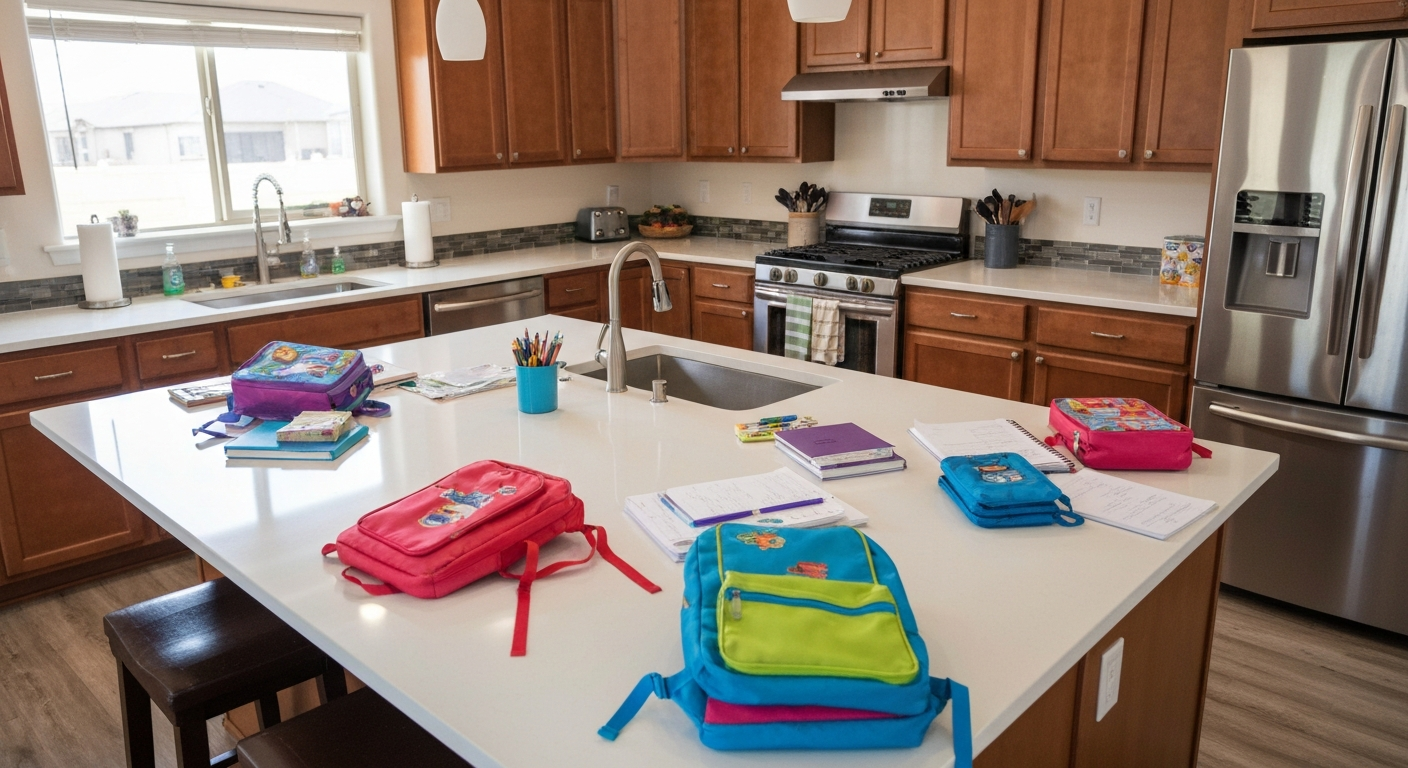
Quartz is the most reliable choice for households where the kitchen sees heavy daily use and varied contact.
About the Author
Marisa Batista Moreira
Managing Editor | Content Operations Manager at Alta Home Group
Marisa Batista Moreira leads the editorial operations at Alta Home Group, ensuring every article meets high standards of accuracy, clarity, and usefulness for homeowners. Her work focuses on content strategy, local SEO, knowledge management, editorial quality, and AI-assisted content workflows. She oversees the company's educational content to help homeowners make informed decisions about remodeling, renovations, and home improvement projects while maintaining editorial integrity and trusted information.
Your Kitchen Should Work as Hard as Your Family Does
The countertop material in a busy Utah kitchen isn't just a design choice — it's a daily quality-of-life decision. If you're planning a countertop upgrade or a full kitchen remodel across the Wasatch Front, a free consultation with Alta Home Group's qualified partner specialists is the right first step.
Request Your Free Countertop ConsultationRelated Articles
View All
Quartz vs. Granite: Which is Best for Utah Kitchens?
An in-depth comparison of durability, maintenance, and aesthetics to help you choose the perfect countertop material for your home.
How to Choose the Best Countertop Material for Your Home: Granite vs. Quartz vs. Marble vs. Quartzite
Granite, quartz, marble, or quartzite? This complete guide compares durability, maintenance, cost, and lifestyle fit — so Utah homeowners can choose with confidence.
