SLC's Oldest Garages Have the Most to Gain
Professional epoxy and polyaspartic floor coating in Salt Lake City, UT. Residential and commercial garage floor solutions for SLC's diverse housing stock. Free estimate.
SLC's Oldest Garages Have the Most to Gain From Professional Epoxy Coating
Salt Lake City's housing stock spans more than a century of construction. The neighborhoods that climbed the bench lands east of downtown in the 1910s and 1920s contain garages that are approaching their second century. The midcentury bungalows of Sugar House, the Capitol Hill Victorians, the Liberty Wells post-war homes, the Rose Park ranch houses — each era has its own garage, and virtually all of them have concrete that has experienced decades of use without a protective coating.
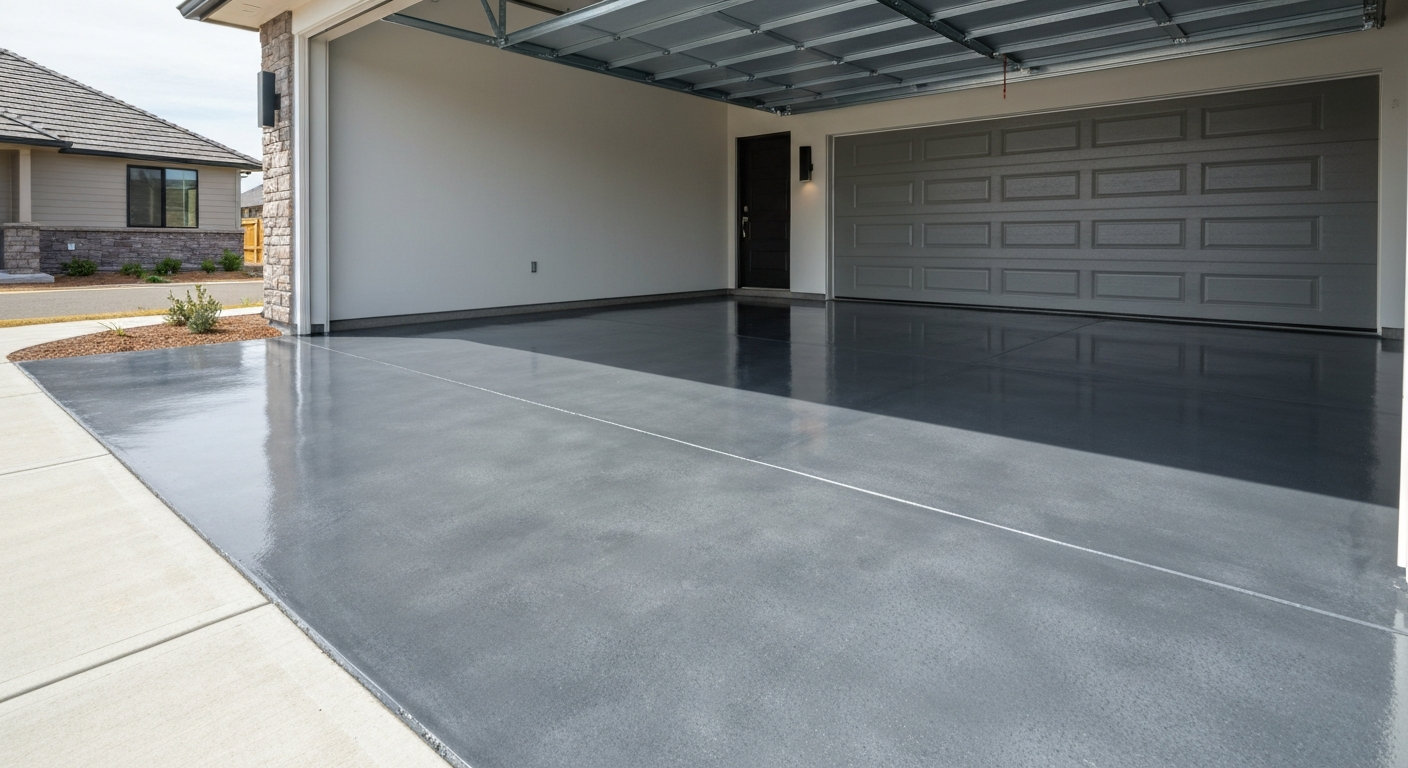
Nowhere in the Salt Lake Valley does epoxy flooring provide more dramatic improvement than in SLC's older detached garages. The transformation from a floor that has absorbed 40–70 years of vehicle drips, road salt, freeze-thaw cycling, and moisture infiltration to a sealed, professional-quality coated surface is among the most striking single-day improvements available in home improvement.
The challenge in SLC's older garages is also the most significant: the concrete needs more preparation than a typical suburban garage, the moisture conditions can be more complex, and the installation requires a specialist who understands the specific demands of older urban concrete rather than newer suburban slabs.
Alta Home Group connects Salt Lake City homeowners with qualified partner specialists who know how to prepare and coat SLC's diverse concrete — from 1930s detached one-car garages to 1990s attached two-car structures to commercial spaces in the city's warehouse and creative districts.
SLC's Unique Epoxy Flooring Context
Salt Lake City's garage diversity means epoxy projects in SLC cover more ground than suburban markets.
Older Detached Garages — The SLC Specialty
The Avenues, Capitol Hill, Sugar House, Liberty Wells, and East Bench neighborhoods contain hundreds of detached one-car and two-car garages built between the 1920s and 1960s. These structures have:
- Concrete that has seen everything. Seven decades of freeze-thaw cycles. Decades of road salt from winter street maintenance. Oil saturation from every car parked in the space since the 1950s. Water infiltration from improperly sloped or settled concrete. The surface is often visually rough — scaling, spalling, hairline cracks, discoloration. It needs significant preparation before coating.
- Moisture conditions that vary. SLC's east-side hillside garages may have sub-slab moisture from the bench-land water table. Jordan River corridor garages in the west-side neighborhoods can have elevated moisture conditions from the river's influence on local groundwater. Some historic district garages have never had adequate drainage and collect water at the base of the walls.
- Concrete that may have structural concerns. In garages approaching 80–100 years old, the concrete mix and curing practices of the original era mean the concrete can be softer, more porous, or more prone to surface failure than modern concrete. Diamond grinding on older concrete requires experienced operator judgment.
Our partner specialists assess each SLC garage honestly before quoting. In some rare cases, concrete is in a condition where coating cannot produce a durable result without major remediation work. Those cases are identified and discussed at the consultation — we don't coat surfaces that will fail.
Attached Garages in SLC's Newer Developments
SLC's west-side neighborhoods and urban infill developments contain more conventional attached garages that are structurally newer. These garages are more similar to standard suburban garages in their preparation requirements — less extreme age and damage, but still requiring proper diamond grinding and system selection.
For SLC's attached garages, the primary consideration is usually system selection for the household's use pattern — whether the space is primarily vehicle parking (standard chip system), workshop use (solid color with maximum brightness), or storage and utility (chip system for durability).
Commercial Applications in SLC
Salt Lake City's Granary District, downtown, and neighborhood commercial corridors have significant demand for epoxy flooring in commercial applications. The same technology used in residential garages — diamond-ground concrete, 100% solids epoxy base, decorative broadcast, polyaspartic topcoat — scales to commercial applications with modifications for higher traffic and more demanding chemical environments.
- Restaurant kitchen epoxy. Seamless, non-porous surfaces that meet commercial kitchen cleaning and sanitation requirements. Anti-slip aggregate broadcast to OSHA safety standards. Coved base installation where the floor meets the wall.
- Warehouse and industrial spaces. Thicker epoxy systems (often 10–15 mils total) with high-build base coats and commercial-grade polyurethane topcoats. Slip-resistant aggregate broadcast for forklift and industrial equipment surfaces.
- Creative studios and retail. Polished concrete or decorative epoxy systems that create distinctive visual environments while providing easy-maintenance surfaces. Particularly popular in the Granary District's creative professional spaces.
Concrete Preparation for SLC's Older Stock
The preparation challenge in SLC's older garages is the most significant difference from suburban epoxy projects — and the reason proper preparation is even more important here than in newer-construction markets.
- Diamond grinding older concrete. Historic-era concrete (1920s–1950s) is often a different composition than modern concrete — different aggregate, different curing methods, and decades of surface hardening (called "case hardening") that can make grinding more intensive. Our partner specialists use higher-grit diamond tooling for initial passes on older SLC concrete to ensure proper surface opening without gouging soft concrete.
- Oil saturation remediation. SLC's older garages have had cars parked in them for decades. The oil that soaked into concrete in 1962 is still there in 2026. After diamond grinding, our partner specialists apply a targeted degreaser to oil-saturated areas, allow penetration time, and then vacuum extract the loosened contamination before the base coat. This step is critical for adhesion in areas where oil has penetrated deep into the concrete pores.
- Crack routing and filling. The crack networks in SLC's older concrete are typically more extensive than in newer garages. Our partner specialists route each crack (widen it to a consistent profile with a crack chaser blade) and fill with a flexible polyurea crack filler that can accommodate the minor concrete movement that continues in older slabs. Filled cracks are feathered smooth before base coat application.
- Moisture vapor testing. Every SLC garage receives a moisture vapor emission test (calcium chloride or relative humidity probe method) before coating. If vapor emission exceeds the epoxy system's threshold, a moisture mitigation primer coat is applied as a first layer. This adds to project cost but is non-negotiable in high-moisture locations — standard epoxy over a high-moisture slab will eventually fail from below.
Epoxy System Selection for Salt Lake City
For older detached SLC garages: The decorative chip system with polyaspartic topcoat is the best choice for virtually all applications. The chip texture provides slip resistance in a garage that accumulates moisture from winter tracking. The polyaspartic topcoat provides chemical resistance against road salt and automotive fluids. The chip pattern disguises minor surface irregularities that remain visible in older concrete even after excellent preparation.
Color selection for SLC's older garages: Lighter chip blends (light gray, warm neutral, cream and tan combinations) maximize the sense of space in compact one-car garages. They also align better with the design sensibility of SLC's historic neighborhoods than utility-gray utility choices.
For commercial SLC applications: Higher-build systems with thicker total coat depths, commercial-grade topcoats, and application by specialists experienced in commercial epoxy are required. Our partner specialists have commercial project experience in SLC's diverse commercial building stock.
Epoxy Flooring Cost in Salt Lake City, Utah
| Application | Cost Range | Notes |
|---|---|---|
| One-car detached garage (200–280 sq ft) | $2,000–$3,800 | Older concrete typically requires additional preparation |
| Two-car attached garage (400–500 sq ft) | $2,500–$5,000 | Standard preparation in most cases |
| Large two-car garage (500–650 sq ft) | $3,500–$6,500 | |
| Moisture mitigation primer (if needed) | Add $400–$800 | Required when moisture vapor exceeds threshold |
| Commercial application | Custom quote | Thicker systems, commercial topcoats |
Frequently Asked Questions — Epoxy Flooring in Salt Lake City
Your Salt Lake City Epoxy Floor Starts Here
SLC's older garages have waited long enough. Whether the concrete dates from the Eisenhower era or the Obama administration, proper preparation and a professional-grade epoxy system can transform the floor into one of the most functional and visually pleasing surfaces in the property — sealed, easy to clean, and performing well for the next two decades.
Alta Home Group connects Salt Lake City homeowners and commercial property owners with qualified partner specialists who understand the specific demands of SLC's diverse concrete stock — and who bring the preparation knowledge and material quality that older concrete demands.